




Every year, we return to stories of monsters, murder, and human suffering, seeking the very fear we try to avoid in reality. But beyond the thrill of a good scare, horror holds up a mirror to the injustices and uncomfortable truths that haunt the world outside the screen.
For years, horror has remained a source of entertainment across films, books, and other forms of media. In the Philippines, the genre often receives renewed attention every Halloween, with the Shake, Rattle, & Roll franchise bringing local monsters—from the manananggal to the aswang—and other psychological terrors to the screen.
Filipino horror extends beyond the screen. From Spookify, which invited anonymous accounts of supernatural encounters on Facebook in the mid-2010s, to TikTok creators like Miss Sean B, who narrate audience-submitted stories, these tales draw on fears familiar to the people who tell them.
What frightens us is shaped not only by the supernatural but also by cultural beliefs, history, and everyday experiences. Though monsters may differ across cultures, they give form to the fears of the communities that create them—reminding us that some of horror’s most unsettling truths exist beyond fiction.
The fears behind the monsters
Horror gives form to fears that are otherwise difficult to confront. Whether rooted in prejudice, exploitation, or personal trauma, these fears become tangible through the monsters and threats audiences encounter on screen.
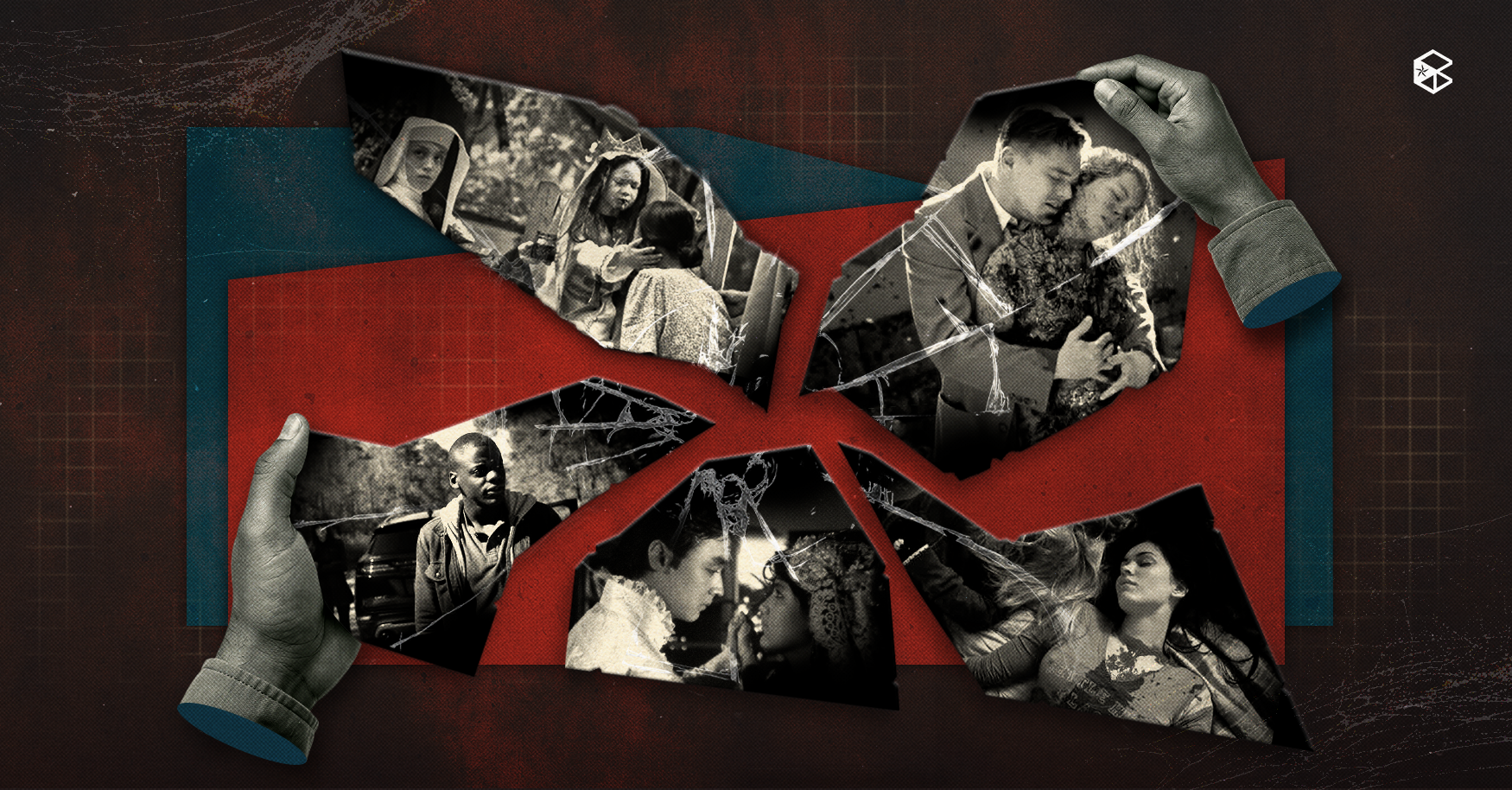
In Seklusyon (2016), director Erik Matti uses supernatural horror to question the relationship between faith and religious authority. Set in 1947, the film follows four deacons secluded before their ordination whose convictions are tested by Anghela, a young girl believed to perform miracles. As the line between divine intervention and demonic deception blurs, the film raises questions about the institutions entrusted to uphold faith and the people who claim to speak in its name.
By placing these tensions within a Filipino religious setting, Seklusyon turns familiar spiritual beliefs into a source of unease, suggesting that even the institutions people turn to for guidance can become sources of fear. This distrust of seemingly trustworthy institutions extends beyond religion, revealing how appearances conceal darker intentions.
Similarly, in Get Out (2017), director Jordan Peele transforms the supposedly welcoming behavior of a white family into a vehicle for exposing racism hidden beneath claims of open-mindedness. Chris Washington, a Black man visiting his white girlfriend’s family, gradually discovers that their apparent acceptance conceals a plan to exploit his body. The horror lies in the contradiction between the family’s progressive self-image and the violence they are willing to commit.
One of the film's most striking symbols is the Sunken Place, where Chris remains conscious of his surroundings but unable to control his own body. His helplessness makes the film's critique of racial oppression tangible: he can witness what is happening to him, yet is deprived of the power to intervene.
Chris's identity as a Black man is central to the film’s horror, as his experience is rooted in the racial history and lived realities of Black Americans. Through the family’s exploitation of Chris, Get Out exposes how racism can persist under the guise of acceptance. Like Seklusyon, the film finds terror in the gap between what people claim to represent and what they actually do.
The horror of being seen
While Get Out exposes prejudice concealed by appearances, Jennifer’s Body examines how violence can hide behind society’s treatment of women’s bodies.
In Jennifer’s Body (2009), a young woman transforms into a succubus after being sacrificed by a male band seeking fame, with her body used as a means to achieve their ambitions. Her transformation reflects how women are objectified and exploited, then condemned when they exercise power beyond society’s expectations. As Jennifer becomes both a representation of violence and threat to others, the film exposes the contradiction of celebrating women for their attractiveness while fearing them when they no longer conform to societal expectations.
The film’s own presentation further complicates this criticism. Although its narrative can be read as a challenge to the sexualization of women, Jennifer’s sexualized image also forms a central part of its appeal. The horror therefore lies not only in how Jennifer is treated within the story, but also in the tension between criticizing objectification and making it part of the spectacle.
Like Get Out, Jennifer’s Body makes a familiar social reality frightening by exposing the violence beneath what society has learned to accept. Yet horror does not always emerge from the actions of others or the institutions surrounding us. Sometimes, the most frightening threat is that we cannot escape ourselves.
Mind as prisons
Unlike the aforementioned films, Shutter Island (2010) turns inward, exploring trauma, guilt, denial, and the fragile boundary between perception and reality. Its protagonist, Teddy Daniels, investigates a disappearance at a hospital for the criminally insane, only to find himself increasingly uncertain of what he can trust. As the story unfolds, the possibility of escaping the island becomes inseparable from the question of whether Teddy can confront the truths he has long tried to avoid.
Director Martin Scorsese explained to the Los Angeles Times that the filmmakers wanted the island to feel like a maze, creating a sense of confinement. This setting reinforces the film’s central tension: Teddy’s search for answers becomes inseparable from his struggle to confront what he is unwilling to accept. The possibility that his own understanding of reality is unreliable makes trusting his own mind a source of dread.
The films differ in their cultural contexts and sources of horror, but each unsettles something people rely on, whether faith, social acceptance, bodily autonomy, or their own perception of reality. By giving these fears a face, horror allows audiences to encounter realities beyond their own—but encountering another person’s fear is not the same as understanding it.
Why do we enjoy being scared?
Horror can make unfamiliar experiences more emotionally accessible by allowing audiences to encounter them through the perspectives of fictional characters. Watching Anghela and the deacons confront distorted faith, Chris confront racism, Jennifer struggle against exploitation, or Teddy grapple with his own reality can make these experiences feel more immediate than simply knowing they exist.
However, exposure does not guarantee empathy. Viewers may recognize a character’s suffering without fully understanding or sympathizing with it, all while remaining safely removed from the experience and able to leave it behind when the film ends.
This distance becomes especially apparent in survival narratives such as The Hunger Games, Squid Game, and Alice in Borderland. Although they are not all traditional horror films, they turn the struggle to survive into a spectacle, inviting audiences to become invested in who survives and who falls. Within these stories, suffering becomes something to watch, anticipate, and react to. Outside the screen, we occupy a different position: we can experience the suspense without facing the characters’ immediate consequences.
Watching fictional suffering is not the same as causing real harm, and enjoying a frightening story does not automatically mean we are indifferent to the realities it represents. Yet our investment in these narratives still raises a compelling question: are we watching to understand the fears and injustices others experience, or are we simply enjoying the thrill of witnessing them from a distance? Either way, horror can bring us closer to realities beyond our own while reminding us how easily another person’s fear can become our own entertainment.
When the credits roll
The monsters may disappear when the credits roll, but the realities they represent do not. What frightens one may differ from another, but the stories we tell about those fears reveal something about the worlds we have built—and the things we struggle to confront within them.
Perhaps horror’s power lies not only in making us afraid, but also in making us look closer at what we fear, what we overlook, and why we keep coming back for more. After all, the most unsettling question may not be what makes a monster frightening, but what our fascination with it reveals about ourselves.
