




Across continents, youth-led protests have flooded the streets against governments they accuse of abandoning the needs of ordinary citizens, revealing a crisis of confidence in political institutions, economic insecurity, corruption, and the conviction that the future being offered to the next generation is one they can neither afford nor shape.
European wave of protests
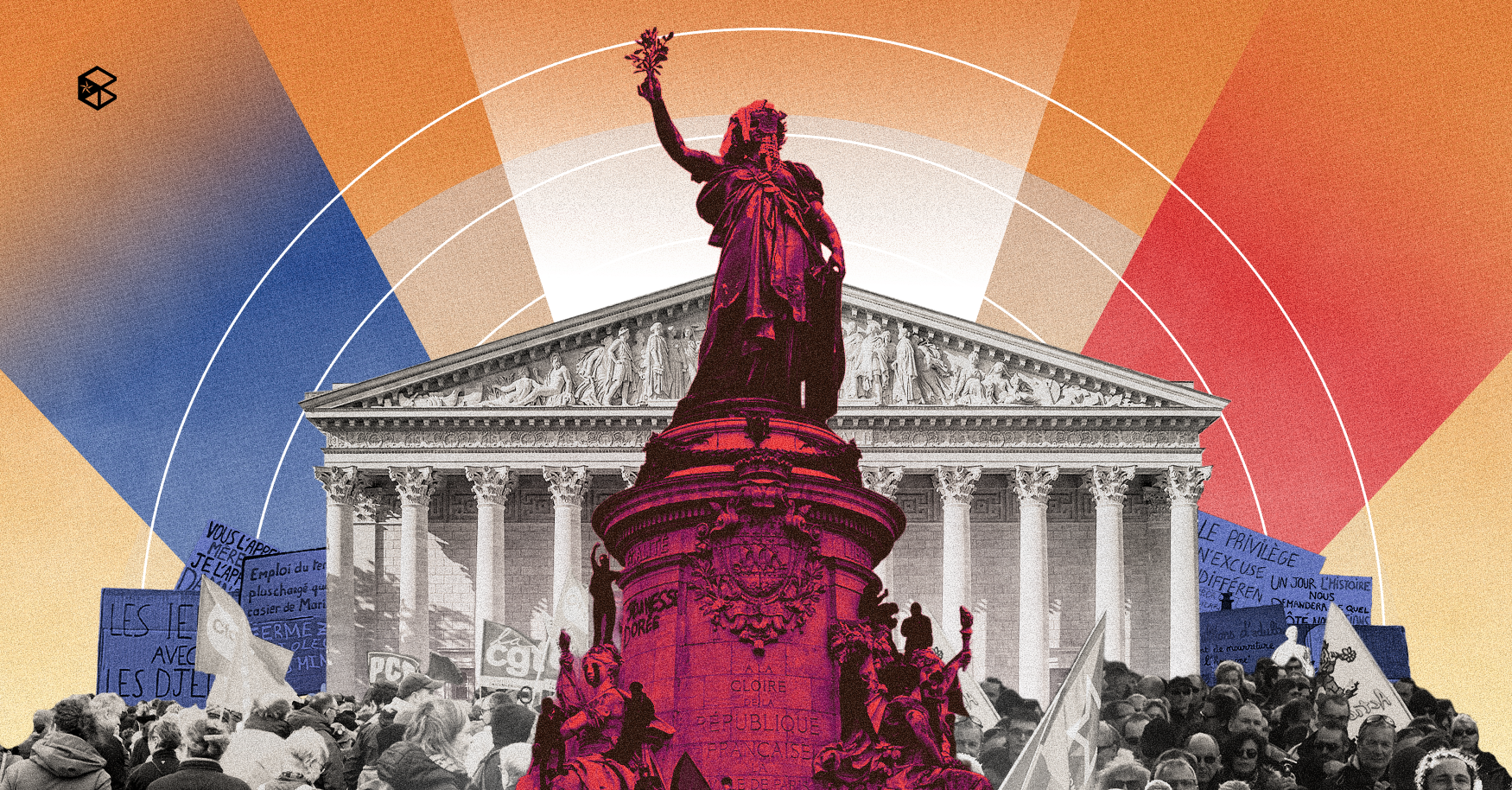
In France, what began as a dispute over deteriorating school conditions has developed into a national confrontation. Demonstrations erupted in September 2026, following a teachers’ strike at a high school in Créteil, France, where students and educators protested staff shortages, crumbling facilities, and dissatisfaction with admission systems. By Oct. 17, more than 1,000 high school institutions and an estimated 550,000 demonstrators had joined the movement.
Subsequent demonstrations were accompanied by violent clashes with police and looting, where hundreds of arrests and injuries were reported. The protests soon encompassed wider frustrations over the cost of living, stagnant wages, and unaffordable housing, exposing the diminishing prospects of a generation struggling to secure the most basic requirements of adulthood.
Similar grievances have surfaced across Europe. In Germany, demonstrators mobilized through the “GenZ regelt” movement to demand greater investment in education, healthcare, social security, and climate protection. They also opposed compulsory military service. Meanwhile, Italian students took to the streets and amplified calls against rising living costs and deteriorating public services.
Additionally, demonstrations in Spain highlighted housing insecurity and evictions. In Albania, students challenged corruption, unemployment, and an education system they viewed as offering little prospect of social mobility.
The unrest in Europe follows a succession of youth-led uprisings that first drew international attention in the Global South.
Youth protests across Asia
In Bangladesh, student demonstrations in 2024 against government employment quotas escalated into a nationwide movement challenging corruption and authoritarian rule, ultimately forcing Prime Minister Sheikh Hasina out of office.
In Nepal, a social media ban triggered grievances over nepotism and unemployment. Following a deadly security crackdown, Prime Minister KP Sharma Oli resigned.
Elsewhere, demonstrators in Indonesia challenged parliamentary privileges, corruption and economic inequality. Meanwhile, Morocco’s Gen Z 212 movement demanded better healthcare and education, questioning government spending on infrastructure for the 2030 FIFA World Cup amid deficiencies in public services.
In the Philippines, allegations involving billions of pesos in anomalous flood-control projects drew young demonstrators into anti-corruption mobilizations, demanding accountability over the use of public funds.
The African front of youth resistance
Kenya’s protests opposed proposed tax increases, but it later expanded to include demands for accountability over police killings and government corruption. Meanwhile, protests in Madagascar, initially sparked by electricity and water shortages, developed into a wider challenge of the shortcomings of President Andry Rajoelina’s government.
Circumstances vary, but the political indictment is universal: governments have failed to provide basic services, protect public resources, and create conditions that allow younger generations to build secure lives.
The economics of a generational revolt
The youth are entering labour markets marked by insecure employment, stagnant wages, and fierce competition, while the cost of basic necessities continues to rise. Even educational attainment—traditionally presented as a reliable route towards social mobility—offers diminishing assurance. Resentment deepens when these hardships exist alongside conspicuous displays of elite wealth.
Greed—in this sense—has become a common political grievance. Across different economic systems, protesters are challenging a status quo in which political influence and wealth remain concentrated among the few, while the public bears the consequences of mismanagement.
There is also a question of generational representation. Older political elites retain disproportionate influence over institutions and public expenditure, while younger citizens have limited control over decisions that affect their future.
The state’s answer to dissent
For many movements, confrontation with the government has exposed another source of grievance: the use of state power to violently silence demands for accountability.
Kenyan security forces responded to demonstrations with live ammunition, tear gas, mass arrests and alleged enforced disappearances. In Nepal, a crackdown killed more than 70 people. Moroccan security forces opened fire during demonstrations, killing three protesters. Indonesia witnessed thousands of arrests, while activists faced intimidation and surveillance. In the Philippines, protesters reported excessive force and police brutality during anti-corruption mobilizations.
When peaceful assemblies are met with violence and activists face criminalization for criticizing authorities, governments undermine the very institutions responsible for addressing public grievances. Digital platforms have become indispensable to resisting these restrictions. TikTok, Instagram, Reddit, and Discord allow activists to document police conduct, circulate information, and coordinate demonstrations.
The same networks have helped movements learn from one another. Demonstrators can follow events in distant countries in real time, recognize familiar abuses, and organize tactics based on their own circumstances. The result is a transnational wave of political dissent, even without a single organization directing it.
What happens after the protests?
The protests have already forced tangible political concessions: Bangladesh’s and Nepal’s prime ministers were ousted, Madagascar’s president was driven from office, and Indonesia’s parliament withdrew contentious lawmakers’ allowances. In Serbia, sustained student-led demonstrations also contributed to the electoral defeat of Aleksandar Vučić’s ruling political establishment.
However, changes in government leadership do not guarantee structural reform. Corruption, unemployment, institutional weakness, and economic inequality can survive administrations associated with them. The fall of a government may create an opening for change, but rebuilding public institutions and redistributing opportunities require sustained organizing and accountability.
Gen Z’s primarily decentralized movements face a particular challenge here. Their loose leadership structures allow rapid mobilization and make them difficult to dismantle, but they can also complicate negotiations, political representation, and the transition from protest to governance. Without a durable institutional presence, established political actors can reclaim the space opened by mass demonstrations.
The question of democracy always remain complicated. Many protesters did not initially mobilize around constitutional reform or electoral representation. They demanded jobs, affordable housing, functioning schools and an end to corruption. Yet these material demands inevitably raise questions of political authority when governments refuse to listen or use violence to preserve their power.
Young people are therefore contesting both the conditions of everyday life and the political arrangements that perpetuate them.
The old political order has survived countless demonstrations, but the grievances driving this generation are unlikely to disappear with the dispersal of a crowd. Young people are watching one another challenge governments that once appeared untouchable. Each movement provides others with evidence that resistance is possible, even when the consequences are costly.
For a generation facing a future of economic uncertainty and institutional distrust, patience has begun to resemble complicity. Their message to those in power is becoming difficult to mistake—they refuse to spend their lives repairing a world whose leaders continue to profit from its failures.
