
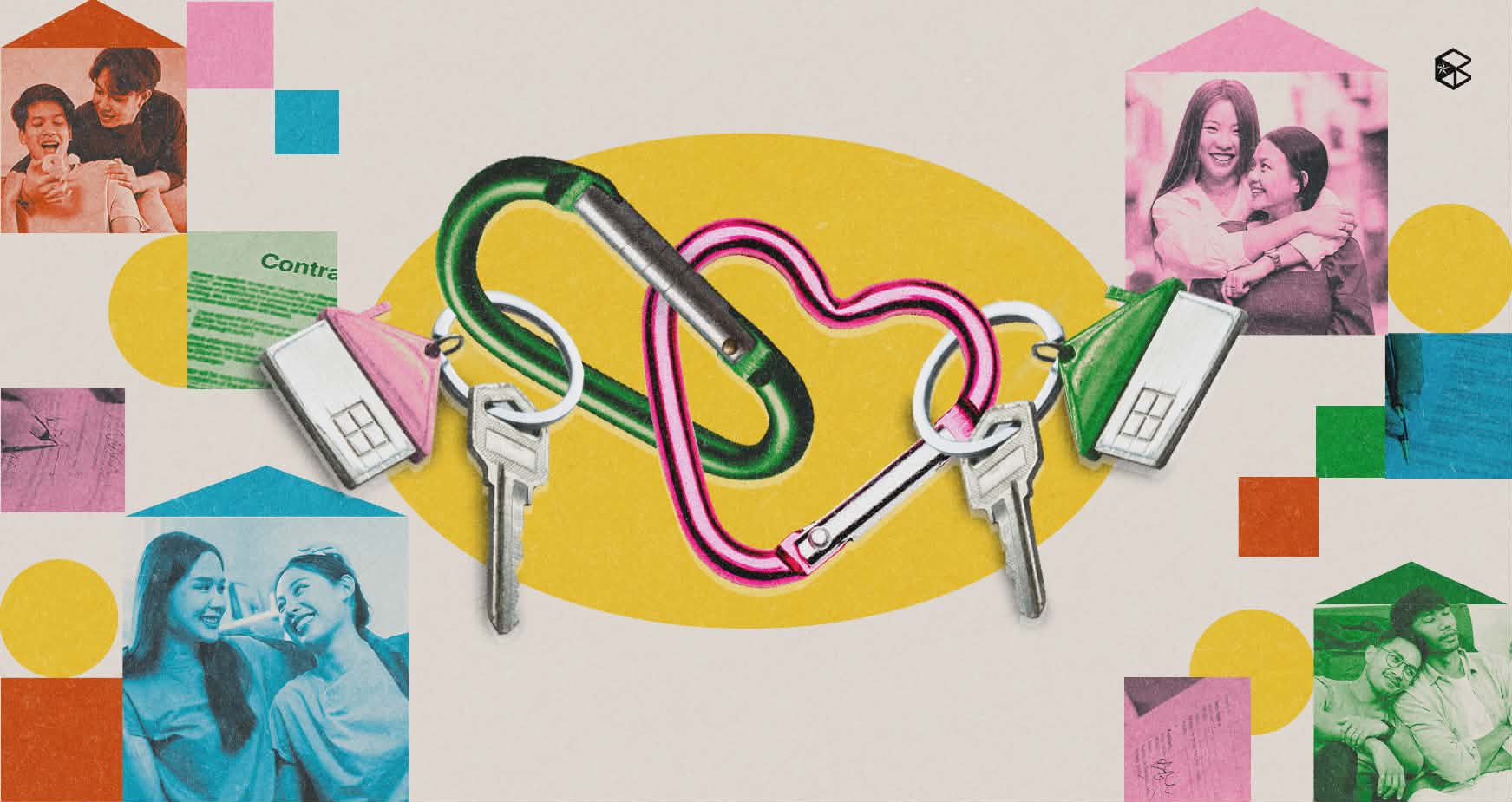




The Supreme Court (SC) of the Philippines has ruled that same-sex couples who live together can now be recognized as co-owners of properties based on actual contributions under Article 148 of the Family Code of the Philippines, which was publicized on Feb. 10.
In 2006, a female same-sex couple, Jennifer Josef and Evalyn Ursua bought a house together after living in an apartment for one year. The couple registered the property solely under Ursua’s name.
In the following year, the couple separated and decided to sell the property. However, they faced difficulty reaching a legal settlement of ownership when the “non-owner” partner, Josef, was locked out of her investment in the property. For years, the legal system of the Philippines has lacked a clear path for same-sex partners to claim their share in a life built together.
The SC’s decision on Feb. 5 centers on Article 148 of Family Code of the Philippines, which governs the property relations of couples who are living together but cannot legally marry. As a result of the case, the SC ruled that same-sex couples fall under this particular article seeing that the Family Code only allows marriage between a man and a woman. However, under Article 148, property ownership is not presumed to be 50/50. It shall be proportionate to the partner’s actual contribution for the said asset.
Championing LGBTQIA+ rights
In a country known to be predominantly Christian and with conservative norms, this ruling has become a catalyst in the Philippines’ efforts in championing the rights of the LGBTQIA+ community.
Senior Associate Justice Marvic Leonen emphasized in his concurring opinion on the ruling that "To be different is not to be abnormal. A same-sex relationship is a normal relationship.” This statement challenges the stigma surrounding the community that has long sidelined their basic rights.
There have also been other milestones in the past advocating for same-sex couples’ rights such as the Right to Care Card ordinances of cities like Quezon City and San Juan. The Right to Care Card is a physical card that allows LGBTQIA+ partners to act as healthcare proxies to sign waivers and make critical medical decisions, even without being legally married.
In an interview with The Benildean, Atty. Roy Patrick Andrew Simon shared that the Philippines has a “high acceptance” and “positive attitude towards the LGBTQIA+ community” compared to other Southeast Asian (SEA) countries. However, he noted that the country lacks national laws safeguarding the community’s rights, making it lag behind other SEA countries like Thailand.
“Currently, there is no anti-discrimination law specifically aimed to protect the community's rights. The SOGIE Bill remains pending. While the recent ruling of the Supreme Court recognizes co-ownership between same-sex couples, it does not operate to redefine marriage nor confer marital rights. As it stands, same-sex unions are not yet recognized,” he explained.
The long road to equality
Advocacies and efforts for equality continue for the LGBTQIA+ community in legal aspects. The long-stalled Sexual Orientation, Gender Identity, Gender Expression, or Sex Characteristics (SOGIESC) Equality Bill was introduced in 2011. More than two decades later, the bill has not yet been passed by Congress. Furthermore, same-sex marriages are not legally recognized under the Family Code.
With heteronormative laws regarding marriages and conjugal affairs, same-sex couples in the country still have a long way to go. Aside from heteronormative views rooted in religious teachings, Atty. Simon highlighted misinformation and disinformation as factors that can affect the laws enacted by lawmakers.
He stated that “...rampant fake news and tailored algorithms may also trap individuals in their respective "echo chambers" and further reinforce misconceptions on the advocacies and causes the community is pushing forward. For example, LGBTQIA+ will have more rights than heterosexuals and the rights of heterosexuals will be threatened."
Evidently, the SC still needs the cooperation of Congress as well as other institutions to successfully uphold equality and non-discrimination of the community. According to ABS-CBN’s report, the court said in the en banc decision of Jesus Bicardo M. Falcis III, v. Civil Registrar General, that “it does not have the monopoly to assure the freedom and rights of same-sex couples and Congress must also be involved through the process of legislation that will expose the experiences of homosexuals who have been oppressed.”
Nonetheless, the sentiment of the ruling being a stepping stone in the recognition of same-sex relationships in domestic laws is echoed in Leonen’s statement: “However, whether such recognition should come by way of the exact same bundle of rights granted to heterosexual couples in our present laws is a proposition that should invite more public discussion in the halls of Congress.”
As Simon mentioned, “The function of the judiciary is to interpret our laws and this case [Josefa vs. Ursua] provided a much-needed clarification. The legislature is still urged to enact laws to cater and protect the rights of the LGBTQIA+ community,” further emphasizing the need for not only recognition, but a call to action for a proactive protection of the community.
This decision of the SC has pushed forward the progress of same-sex couples where they are no longer completely legally invisible, but seen in at least one aspect. The Philippines’ jurisprudence opened a door to legal equity.
Now, the challenge is the road to ensure true equality in the country’s domestic policies through other institutions.
